A fictional parable by Peter Pickering.
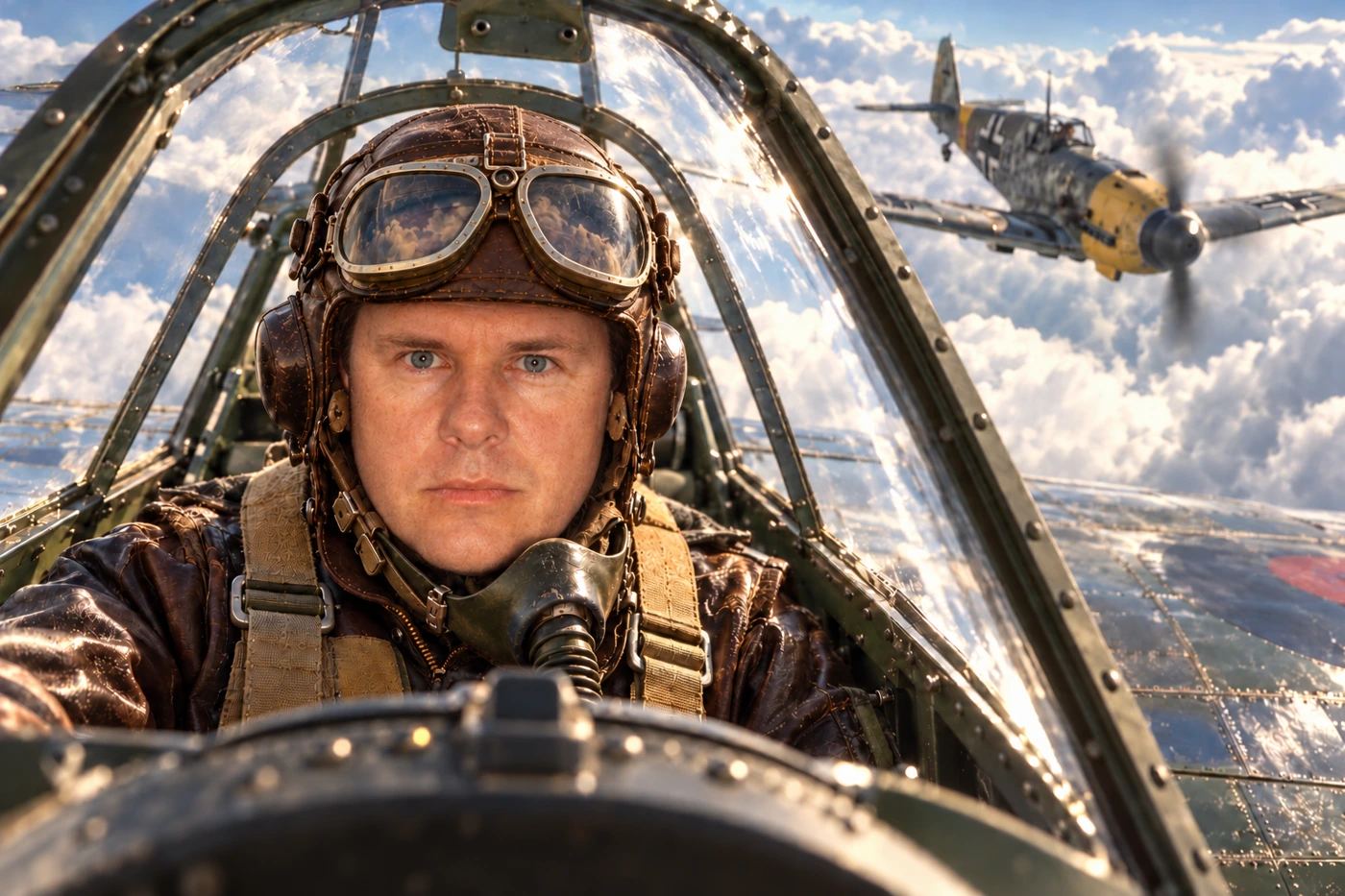
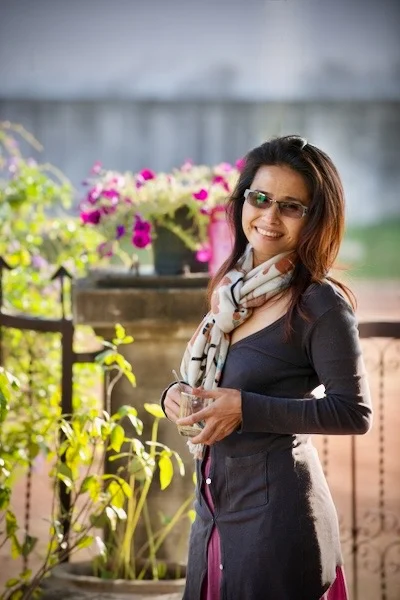
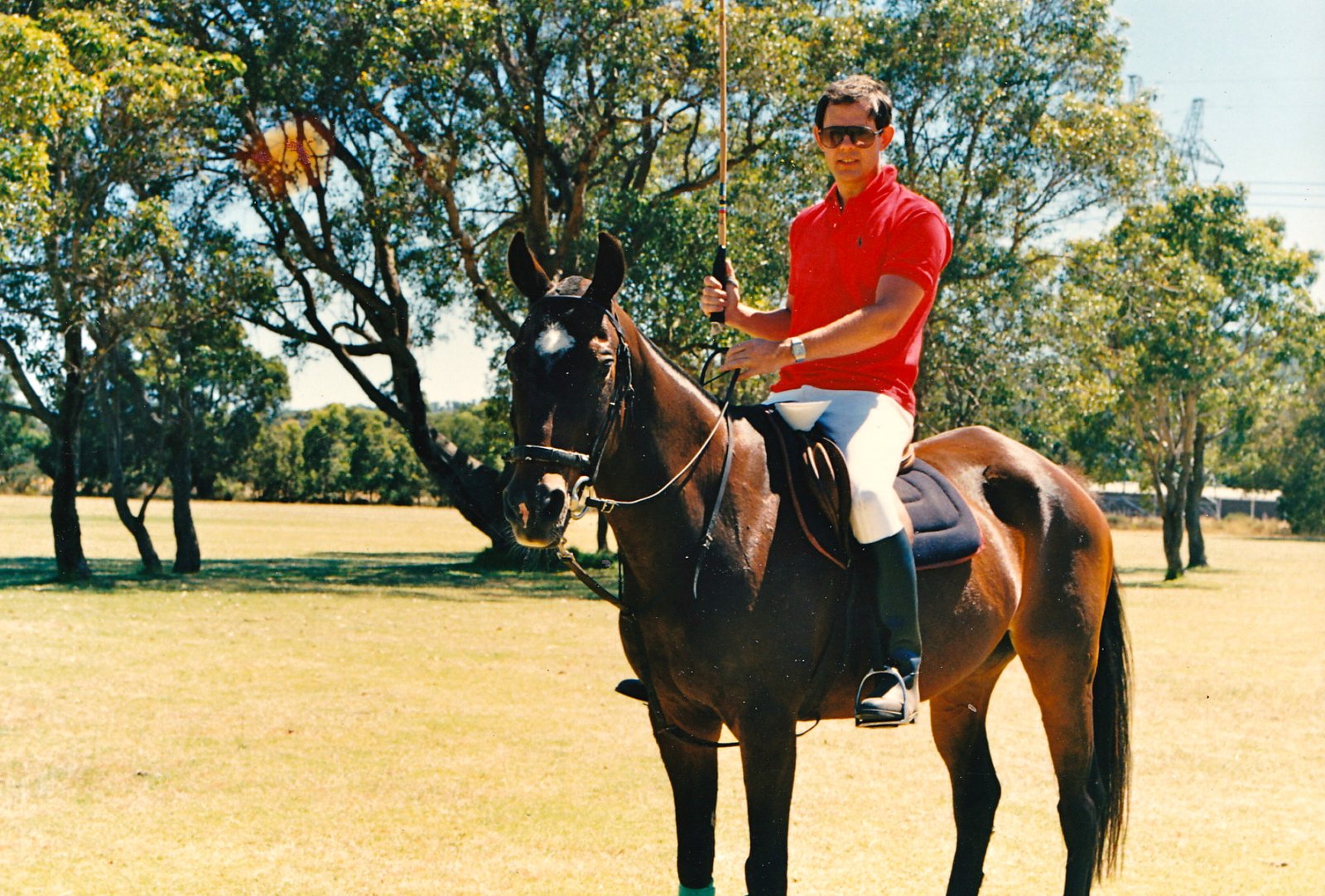
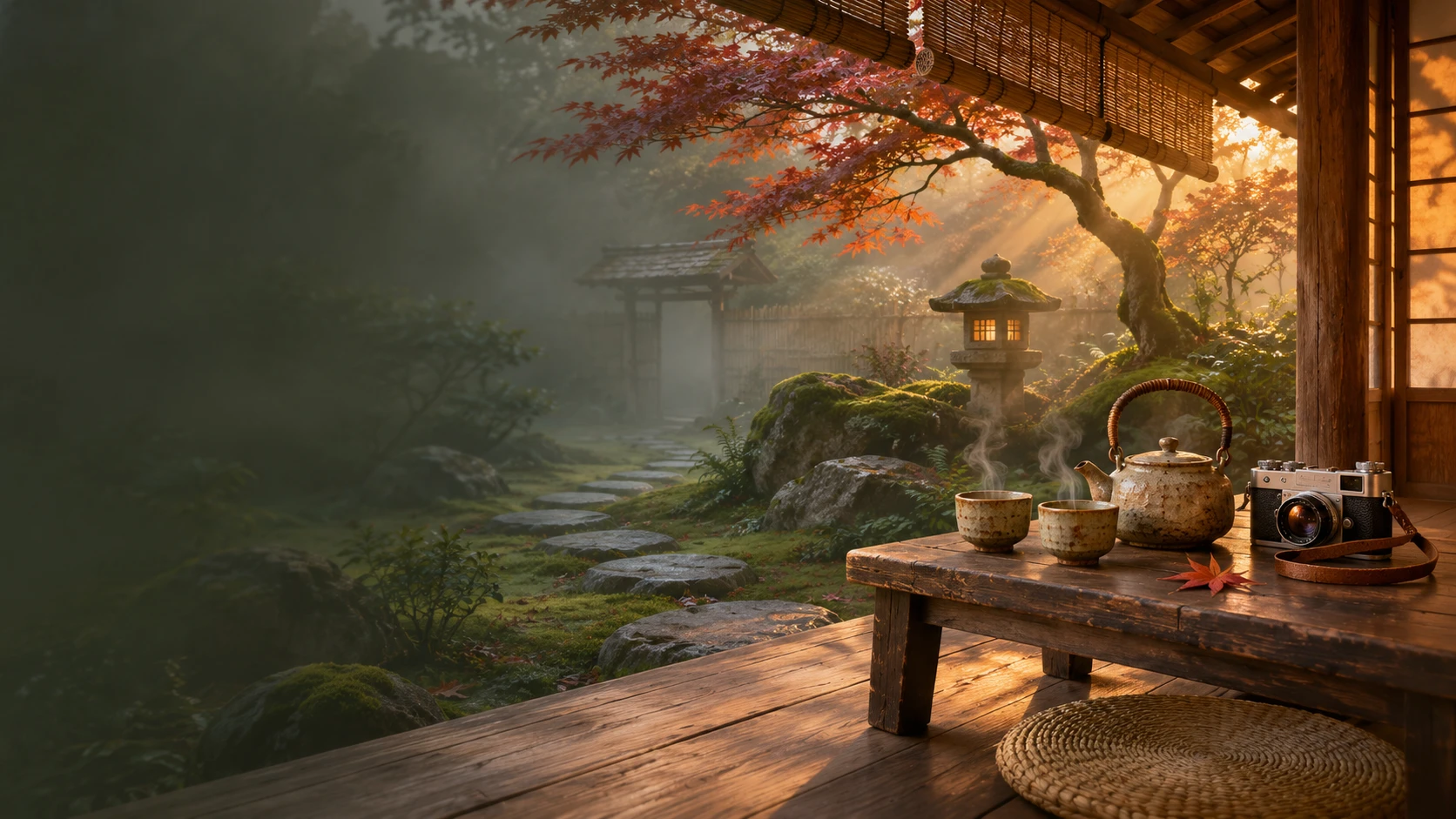
A quiet dojo of photography. Old prints hang like banners along the wall. Grasshopper is carefully trimming a print, about to add a pristine white border.
Grasshopper (hesitant)
Sensei… I was thinking. Maybe a clean white border? It frames the image, yes? Makes it look… complete?
Sensei closes his eyes slowly, inhales deeply, and walks over with his hands behind his back.
Sensei
Ah… the white border. Yes. The margin of insecurity.
Grasshopper
Insecurity?
Sensei (gesturing to a hanging print)
Does the mountain ask for a frame around its majesty?
Does the fleeting kiss of shadow on a child’s face need a wall to tell it where to stop?
Grasshopper
But… it looks more professional.
Sensei (sharp)
A border can serve a print. It cannot supply the vision. You are a seeker of moments, not merely a decorator of rectangles.
He places a plain sheet beside the print, letting Grasshopper compare.
Sensei (softly)
An unnecessary border is like applause before the song ends.
It can distract. It can weaken the gaze.
It says, “I do not trust the image to stand alone.”
Choose a border because it serves the photograph, Grasshopper—not because you hope it will rescue it.
Grasshopper (quietly)
So… the image must speak, without adornment.
Sensei
Just so. Let the edges breathe the same air as the centre.
Let the silence around the image be as important as the image itself.
That is the way of clarity.
Grasshopper bows. A breeze lifts an old gelatin print from the table. The borderless truth is revealed.