A fictional parable by Peter Pickering.
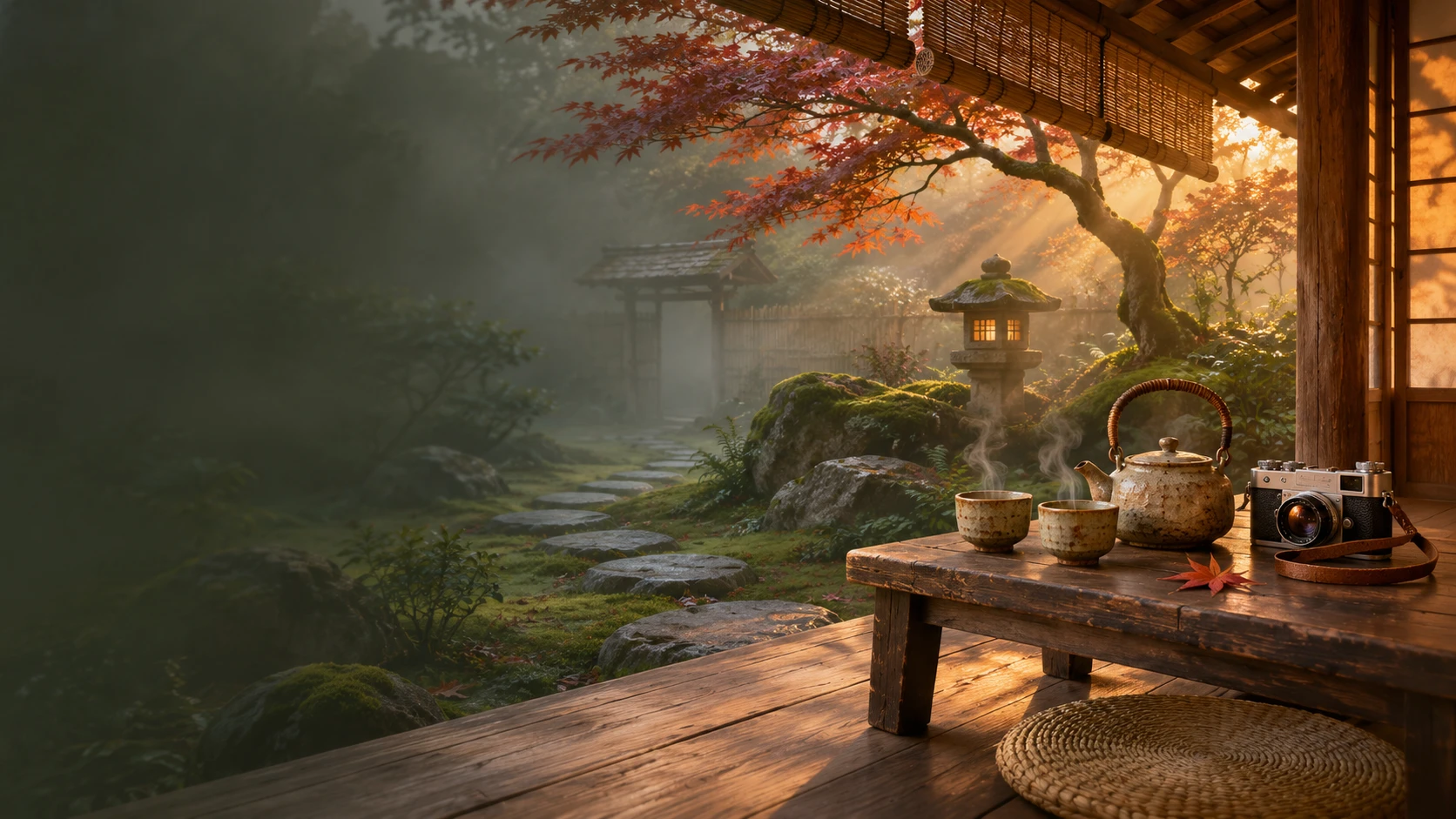
The garden dojo. Grasshopper rushes in, holding a gleaming phone. On its screen, a photo of a street. Pristine. Empty. Too perfect.
Grasshopper
Sensei! Look! I used the magic tool! That ugly trash bin? Gone. That pole? Erased. The man in the hat? Poof — vanished!
Sensei peers. Frowns. Picks up a nearby stone and gently places it in Grasshopper’s shoe.
Grasshopper
Ow! Why?
Sensei
That stone was part of the path. Annoying? Maybe. But real.
You have not improved your photo, Grasshopper.
You have sanitised it. Sterilised it. Made it boring.
Grasshopper
But Sensei, isn’t photography about what we want to show?
Sensei (shaking head)
No. It is about what we see.
The man with the hat? He was the rhythm.
The pole? It was balance.
The trash bin? That was life.
Without them, you may have made a tidier picture—and lost the photograph’s story.
Grasshopper
So I should never remove anything?
Sensei
That depends on what you are making. An openly imagined picture and a documentary record make different promises. Know which promise you are asking the viewer to trust.
But do not remove truth to chase clean.
Do not remove story to chase symmetry.
A photo should be honest. And honesty, like beauty, is often messy.
Grasshopper (nods slowly)
So… every object has a voice?
Sensei
Yes. And when you erase too many voices, you’re not a photographer — you’re a censor.