An exploration of my own character, the people I’ve helped, and what I’ve learned about myself
Peter Pickering · November 2026
An old photograph
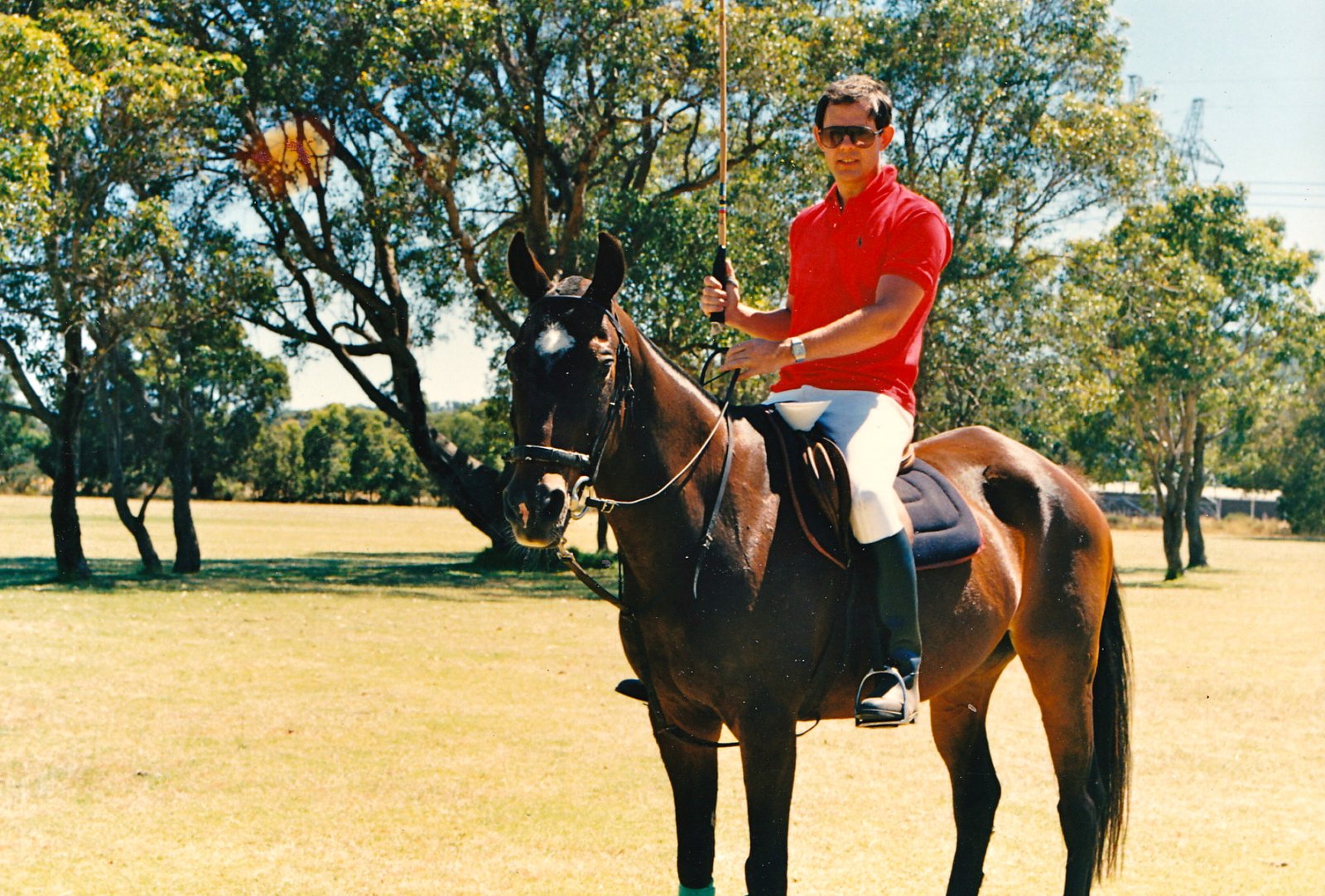
It began with a photograph I found while sorting through forty years of pictures. It was one of those things that seemed funny at the time. I thought it might still amuse the man in it, so I framed it, wrapped it up and took it to him.
He looked at it, put it back in the bag and pushed it towards me. He didn’t want it.
He was entitled to feel that way. I’d assumed we would both remember the occasion as I did, and I hadn’t given enough thought to how it might feel to be handed the photograph all these years later. What surprised me was how much his reaction hurt. Over lunch afterwards, I found myself thinking about a friendship I’d once put a great deal into and had quietly stopped counting on.
I’d helped him get established when he was starting out. I hadn’t kept a tally. Still, I’d assumed that years of showing up for someone would count for something when it was my turn to need a friend. The photograph brought that old disappointment back, even though he had every right to hand it back to me.
The curious business of taking sides
One afternoon I was having lunch when a woman I’d once been close to came into the café. We hadn’t spoken in years. I thought about going over to say hello. I even considered sending a piece of cake to her table. In the end I finished my sandwich and coffee and quietly left.
Part of what had come between us was that I’d stayed civil to someone she felt had wronged her. I thought I could take her side in the dispute and still speak to him. She saw it differently. At the time I was indignant about being asked to choose. Sitting in that café, I felt mostly sad. Someone who had once been a large part of my life was a few tables away, and neither of us said a word.
I’ve found myself in that position more than once. When a friend’s business troubles threatened to leave him without a car, I saw a way to rearrange the lease, recover some of the money he had in it and keep him on the road. Another friend, who’d fallen out with him, was furious that I’d got involved. I could see why he took it personally. To me, there was a man who needed transport and a way to help him keep it. I went ahead.
In Thailand, after a neighbour’s husband died, I helped make sure the Australian superannuation fund knew she was his surviving spouse. She eventually received a benefit. The wider estate was more complicated, and I stepped back. I still wondered whether there was something else I could have done. I was getting better at recognising when I’d reached the limit of what I could usefully do.
The eagle’s view
I once described the way I look at a problem as taking an eagle’s view. From above, you might see a way around an obstacle that’s hard to make out when you’re right in the middle of it. A lease can be rearranged. There may be one person who needs a piece of information nobody has thought to send them.
The people on the ground can see things the eagle can’t. I’ve had to remind myself of that, especially when I’m keen to get on with an idea. Still, I’ve always enjoyed pulling back far enough to ask why a process works the way it does, and whether there’s a simpler way through it. Sometimes there’s a very good reason for doing things as they’ve always been done. I like finding out what it is.
Someone asked me once whether seeing a solution gave me such a jolt of excitement that I found it almost impossible to leave the problem alone. I was surprised by how emotional I became. The answer was yes. I recognised myself in the question, including the times I’d got involved in something that was none of my business.
Muggins
Dad had a word for someone who was a bit too willing to trust people or help them out. Muggins. He sometimes used it about himself. I suspect he’d have used it about me. Come to think of it, Muggins was also the name of my childhood hamster.
It’s taken me a long time to understand the difference between being needed and being valued. When someone turns to you for advice, money or a practical favour, it’s easy to feel close to them. They can be grateful for what you did and still feel quite differently about the friendship. They can also have a genuine grievance with you, however much you’ve done for them. I only have to think back to that photograph to see the point.
I still want to help when I can. I’m learning that I can tell someone what I see and leave it with them. The question I used to ask was whether I could fix the problem. I’m getting better at asking whether it’s mine to fix.
Making things
The same impulse has been a pleasure in my working and creative life. When I discovered what generative music tools could do, I started imagining a catalogue, recording projects with distinct identities, albums and videos. That became Sessions on the Green®.
I love making the music. I also enjoy building the things around it that make the work possible. When a production tool falls short, I try another way. When I find myself doing the same task over and over, I start thinking about how to simplify it. Before long I’m halfway through building something I hadn’t known I needed.
Dad might still call me Muggins. He might also recognise something of himself in the way I keep looking for a way forward. If there’s one thing I’ve learned about myself, it’s that when I can see a way to make something better, I find it extraordinarily difficult to leave it alone. These days I’m a little better at deciding when to try.