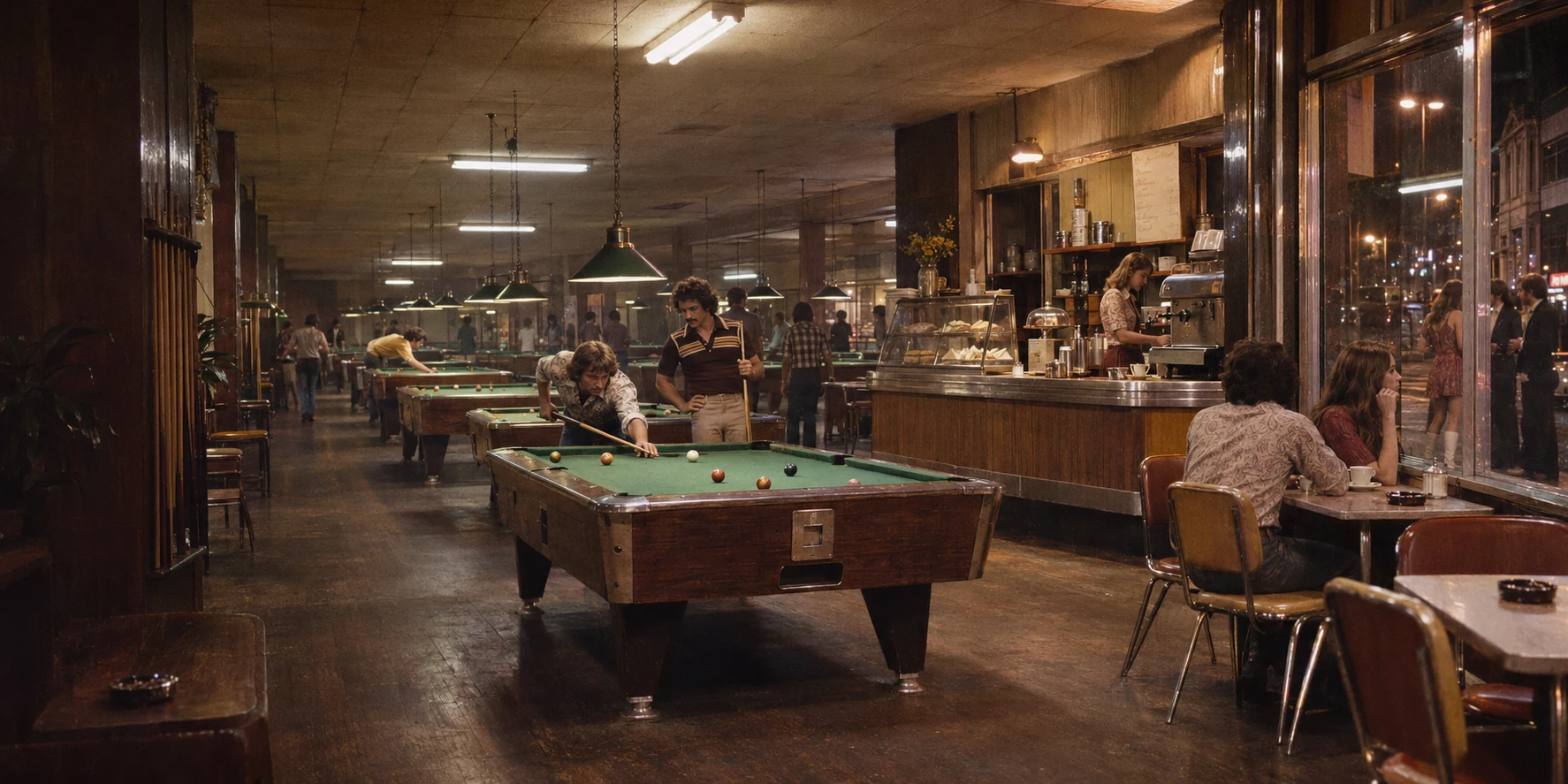
In 1974 I took on my first business in Australia, running the coffee bar at the Scarlet Pimpernel on Murray Street, Perth. The pool hall was the main attraction: twelve tables, three across and four deep. The counter was on your right as you came in, and from the seats by the front windows you could watch the nightclub crowds come and go. We were open twenty-four hours a day.
I drove a green three-litre Ford Capri in those days. I can still picture it outside the shop, looking rather splendid before Murray Street did its best to rearrange it.
Around the time I took on the Pimpernel, I went to Arthur Murray’s dance studio to enquire about lessons. They offered me a course for $1,600, a formidable sum to a young man finding his feet in Australia. Then I discovered that, for $1,500, I could take a private pilot’s course at Piper West Flight School at Jandakot.
For a hundred dollars less, I could learn to fly. Dancing never really stood a chance.
I chose Piper West, a decision whose consequences belong to Blue Yonder, the story of my flying ambitions. Whether my visit to Arthur Murray’s also led me through the Pimpernel’s door, I cannot now be certain. I may instead have seen it advertised for rent in the Sunday Times Readers Mart. Both possibilities fit the period; neither is clear enough in my memory to claim as the definitive beginning.
What I do remember is the arrangement that followed, and the considerable size of the man with whom I made it.
A business without a purchase price
The owner was Bill Robertson, a bodybuilder who had held the title of Mr Perth. He was an imposing figure, a mountain of a man beside whom I looked decidedly unfinished.
I rented the coffee bar from Bill and kept the takings from food and drink after covering my costs. He kept the pool tables and coin-operated machines. That left him free to step back. Every few days he’d come in to empty the coin boxes and leave the sandwiches to me.
It was an unconventional arrangement, but it suited us both. Bill could collect his takings without having to run the café, and I could get started with enough money for the rent and the first lot of stock. Looking back, I don’t think we could have set it up so simply today. In those days, as I remember it, you could open a bank account without showing identification. Nobody necessarily checked whether the name you gave was your own. And if the bank manager knew you, cashing a cheque was easy. There was a lot more room to work things out between yourselves.
The position was promising too. Beethoven’s nightclub was almost opposite, and I remember another club, possibly Gobbles, on our side of the street. We were in the midst of Perth’s nightlife. When people emerged from the clubs, there we were, ready with coffee, burgers, steak sandwiches, hot dogs and the toasted ham and cheese sandwiches that outsold almost everything else.
Around us came the sounds of conversation, the pool tables and a city reluctant to go home. Customers became regulars, and regulars became familiar faces. There was something appealing about being part of that small, wakeful world.
Twenty-four-hour trading sounds impressive until you start dividing the hours. I’d been running the coffee bar for a while when Dad came to work with me. His diary gives the exact date: Wednesday, 14 August 1974. From then on we ran it together. While our customers finished their evenings and went off to bed, we prepared for whoever might arrive next.
My first business had come without a purchase price. It had not come without a cost in sleep.
The milk churn championship
Among the café’s more exacting demands was the production of a properly frothy milkshake. The milk had to be cold enough to make good bubbles, but not frozen. Our equipment offered no useful thermostat, so temperature control depended upon someone remembering to lift the churn out of the freezer roughly every forty-five minutes, let it warm a little, then put it back.
It was a crude system, but it worked, provided the human component remained attentive.
A full churn was heavy. Nevertheless, at eight stone something, I lifted it out and returned it as part of the ordinary routine. I was a skinny young fellow, but repeated practice had evidently given me a useful specialism.
One day Bill happened to be there when the milk needed taking out. He looked at the churn and asked me to help him lift it.
I looked at Bill, then at the churn, trying to reconcile the request with the evidence before me. Here was Mr Perth, a man who appeared to have been assembled from spare muscles, requiring assistance with something I shifted on my own every day.
I helped him, of course. It was sufficient to know that, in the narrowly contested field of milk-churn removal, the eight-stone division had produced a champion.
Bill’s next venture
I didn’t see Bill again after I left the Pimpernel. I knew him as Bill and as Mr Perth. The bodybuilding records call him Billy Robertson, a name I never heard anyone use when I knew him. He kept competing and, by the time he won Mr Australia in 1976, we were already out of the Pimpernel. I suppose by then he could have lifted a full churn of milk without me.
One day in central Perth I found a little market in the basement of the old Bairds department store. It had become a Myer store, and Myer had since moved to Forrest Chase in 1989. Downstairs, you could rent a small patch for very little and set up a stall selling food or whatever else you had to sell. I was curious enough to ask who’d put it together.
It was Bill. He’d leased the whole basement and let it out in small lots. The stallholders got somewhere affordable to trade, and Bill had found a use for space that had been sitting idle. I thought it was a damn good idea. I still do.
Later I heard Bill was moving out, or that his lease was coming to an end. I never knew which. Either way, the basement looked as though it might stand empty again, and I hadn’t heard of anyone willing to take it on.
I kept thinking about the people sleeping rough in the city. Could we give the basement a simple fit-out and turn it into a shelter? I saw a business opportunity in it as well as a way to get people off the streets. With a government grant, I thought we might be able to pay for the fit-out and run the place on a sound footing. Bill had found one use for an empty basement. I could imagine another.
The Murray Street part of the old store later made way for Perth Underground. On the Wellington Street side, the upper floors closed for asbestos removal in 2003. The talk in property circles at the time was that it was cheaper to leave the building empty than to pay to remove the asbestos. That part of the building survived and was later used again.
The night the ham moved
Back at the Pimpernel, a run of toasted sandwiches on a sweltering summer night taught me a lesson that stayed with me for fifty years.
The front of the café had evaporative cooling, the water-cooled sort rather than refrigerated air conditioning. The kitchen had none. It was tiny, poorly ventilated and made hotter by the hotplates that had to remain on throughout service. There was a back door, though it offered little relief, and I cannot remember whether we even had a fan.
That night was the hottest I had known in there. It was also relentlessly busy. Whoever was working out the front—I cannot now remember whether it was Dad or someone else—seemed to have discovered an unlimited market for toasted sandwiches.
Another toastie. Two more. Make that three.
Cheese and tomato had its followers, but ham and cheese was the favourite. I stood at the back filling and toasting, increasingly hot, tired and irritated, watching every prospect of a break disappear beneath another order. Our customers had finished their dancing and wanted feeding. None of them seemed to have considered the cook’s desire to stand somewhere that was not a kitchen.
The ham came ready sliced in long cellophane packs. We kept supplies in the freezer, transferred them to the fridge to defrost, then took out a smaller quantity for a Tupperware container beside the preparation area. As that ran down, I replenished it from the fridge.
In the rush, I had been adding fresh slices on top instead of bringing the older ones forward and putting the new supply underneath. I knew very little about food handling then. My attention was on the orders and the hotplates, and the slices at the bottom stayed where they were while the sandwiches continued going out.
Eventually the refrigerated supply dwindled to nothing. I was down to the last few slices in the container, perhaps four, and beginning to think that the imminent disappearance of ham and cheese from the menu might offer some small consolation.
I lifted the next slice.
Underneath, there was movement. For a moment I could not quite comprehend what I was seeing. Then I could, and wished very much that I could not.
The ham was crawling with maggots.
I nearly brought up my own dinner. Worse still was the thought that followed: what about the slices immediately above these, the ones I had already used? I had no way of knowing whether they had been affected, but imagination supplied enough possibilities to make me feel sicker still.
We had an electric insect zapper, and I did not recall seeing flies in the place. To my inexperienced mind, that seemed to eliminate flies from the enquiry. Without the means—or, evidently, the knowledge—to investigate properly, I constructed an explanation of my own: ham must contain things that hatched if it was left long enough in the heat.
I had examined one Tupperware container and reached a verdict on the entire pig.
I know now that maggots come from flies. I still couldn’t tell you how they got into that container, but by then my appetite had made up its mind.
For the next fifty years I would not touch ham, pork or pork products. Some marriages have rested on less enduring commitments.
Only in the last couple of years have I begun trying a little again, and even now I cannot eat much without that kitchen returning to mind. The heat has faded. The orders have long since stopped. The movement beneath the last slice remains horribly clear.
I had wanted five minutes away from making ham sandwiches. My stomach negotiated half a century.
The hazards of Murray Street
Not all the Pimpernel’s surprises originated in the kitchen. A place that stayed open through the night inevitably encountered people whose evenings had taken an unfortunate turn. Occasionally, the misfortune arrived without even the courtesy of ordering a coffee.
I was standing in the doorway one fairly quiet night when a man walking past suddenly punched me. There was no warning and, as far as I knew, no reason. I went down like a sack of potatoes, stunned rather than conscious of pain.
Several customers saw what happened. They chased him along the street and, I was told, gave him a beating. I did not witness it and cannot say how badly he was hurt. I suffered no serious injury myself, although the incident was an unpleasant reminder of how abruptly an ordinary night could change.
On another occasion an enormous crash brought me outside to find my green Capri in a position no parked car ought to occupy. It had been driven into the Volkswagen ahead and was sticking up at an extraordinary angle, perhaps forty-five degrees. A collision farther down the line had shunted the parked cars together.
The explanation I was given was almost as startling as the damage. A driver in an open-top car had been waiting at traffic lights a short distance back along Murray Street when someone on the footpath struck him over the head with a bottle. Dazed, he had pressed the accelerator, taken off and run into the cars outside the Pimpernel.
As far as I know, the man with the bottle was never caught. My Capri was repaired under insurance, but my pleasure in it never quite recovered. However well the repairs are done, you remember what happened. I eventually sold it.
I had gone into the coffee trade expecting to learn about customers, stock and takings. I had not anticipated quite so much practical instruction in assault and collision damage.
A game with Wayne Fontana
There were quieter encounters too. One day a man came in on his own and we fell into conversation. I asked whether he fancied a game of pool. He did, and we played.
It turned out to be Wayne Fontana, whose name had appeared alongside the Mindbenders on records such as The Game of Love. His reputation had travelled rather further than my knowledge of it; at the time I knew very little about him.
So there is a modest addition to my history: I played pool with Wayne Fontana in Murray Street. I might have appreciated the occasion rather more fully had I known who I was supposed to be impressed by.
The woman in the doorway
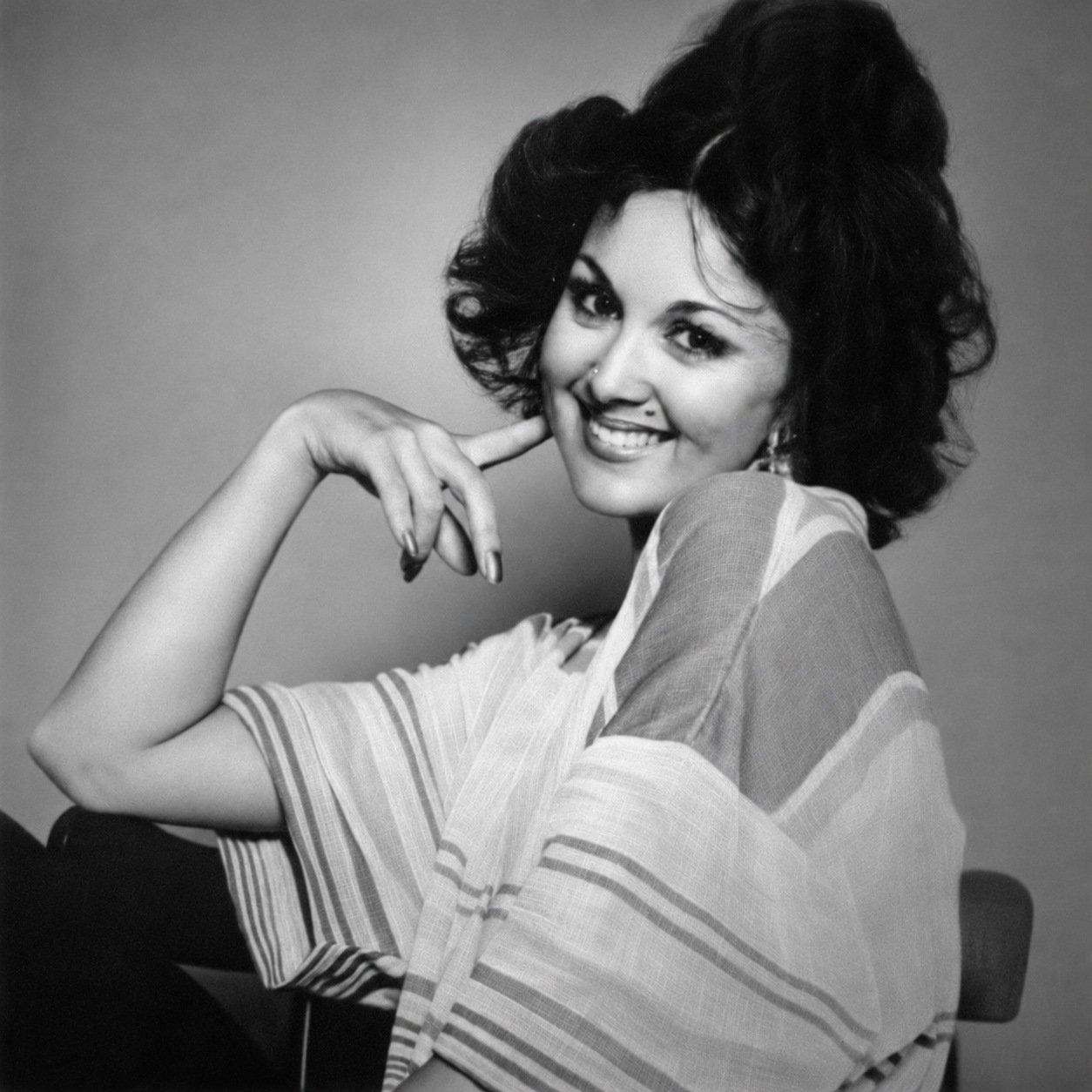
I might have forgotten who I’d played pool with that day. I never forgot the woman who came looking for our cleaner.
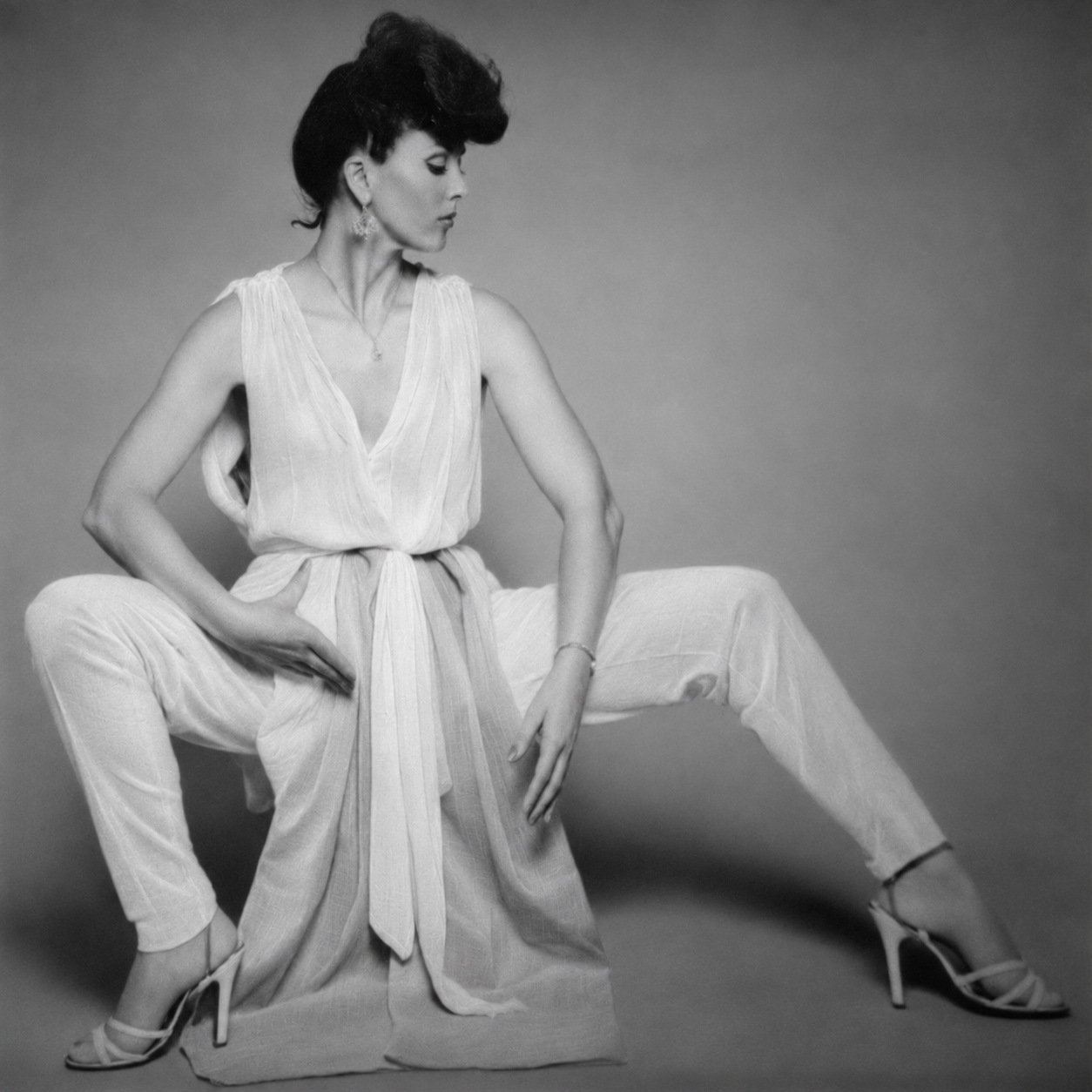
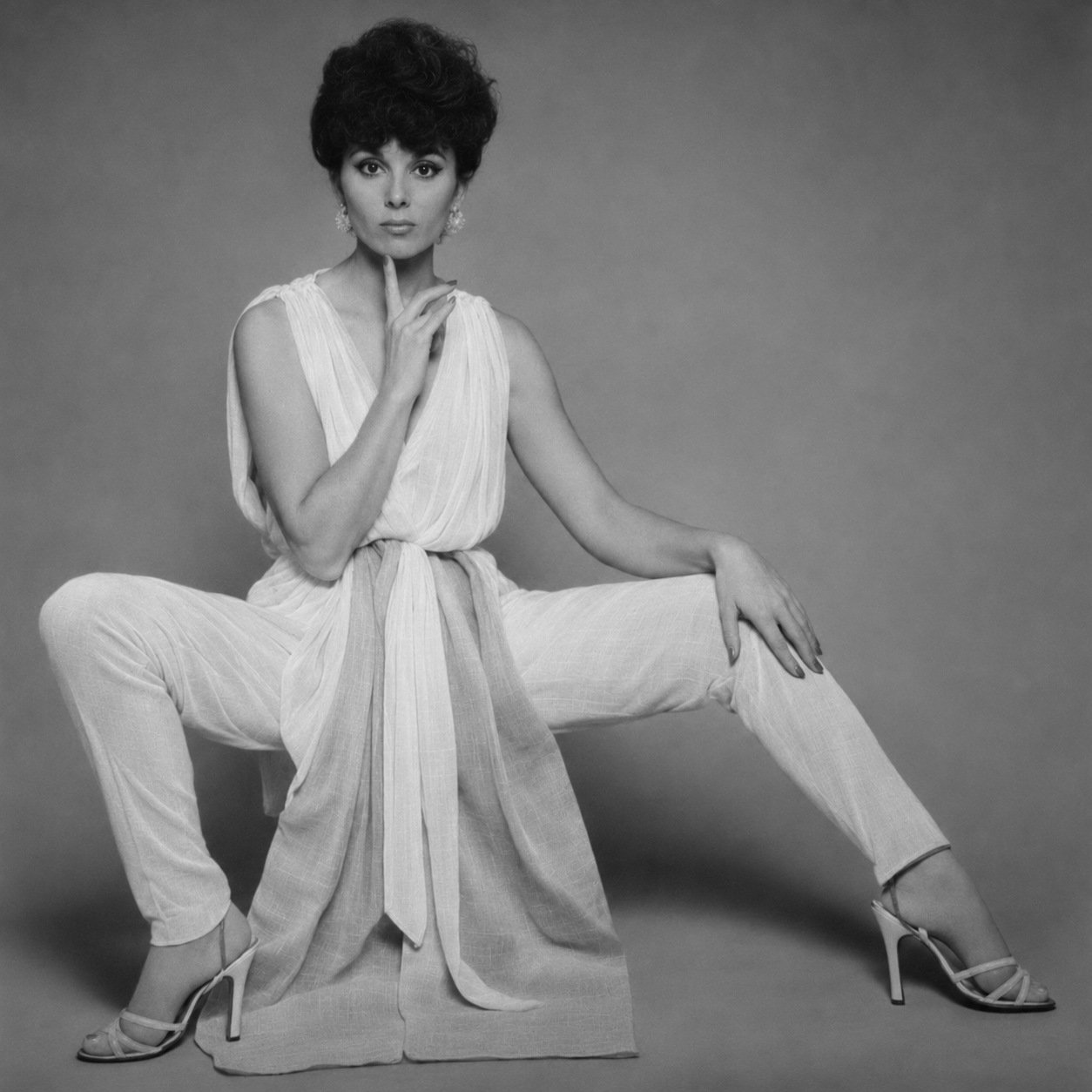
I was working a late shift when she arrived, looking for her husband, who did our cleaning. He was not there. Her visit was brief, but its effect on me was considerable: I thought she was the most beautiful woman I had ever seen.
She seemed to have stepped out of a film and into the wrong building. Nothing about a Murray Street coffee shop had prepared me for her, and I doubt I concealed my astonishment particularly well.
Her name was Annette. Later, when circumstances changed and she took over the cleaning herself, I saw her more often. Acquaintance became attraction, and we began going out together.
She was older than me, perhaps by ten years, and had several children—I remember four or five. She came from the south-west of England, Devon or Cornwall way, with a lovely accent and an ease with people that made her captivating company. I was young and comparatively inexperienced; she seemed entirely at home in a world I was still learning to enter.
She had modelled in England and told me she had made a brief appearance in Far from the Madding Crowd, walking down a staircase. I have never identified the scene myself. Having met her, though, I found the idea of her appearing on screen perfectly plausible, and wondered what might have happened had she remained in England.
One evening we went to a nightclub I remember as La Tenda in Victoria Park, where Johnny Farnham was performing in his early days. Annette went off to talk to him and was away long enough for me to spend a substantial part of the outing sitting by myself. I had no idea how she knew him. She was wonderfully sociable; knowing people seemed to come naturally to her.
I had imagined I was taking her out. In retrospect, I suspect I was largely being conducted.
Eventually I moved into her house in Forrestfield. For a while I also helped with her cleaning round, some of which required leaving at about two in the morning. She needed to earn a living, and I wanted to help, but affection did not make the hours any less punishing.
Between my business, her work and a lively household of children, I became exhausted. At my age I was poorly equipped for the responsibilities I had stepped into. After what I remember as a few months, the relationship ended.
I’ve never quite untangled the dates of our moves from Kewdale to Floreat, or how they fit around the two businesses and my time with Annette. Our families stayed in touch long after the romance ended.
What Danny remembered
Among Annette’s children was Danny, a little boy of perhaps five. I used to take him with me to my ice-cream parlour and let him help. To a child, it must have seemed a particularly agreeable place to work. To me, bringing him along was an ordinary kindness, scarcely remarkable enough to preserve as a story.
I had the ice-cream shop when I lived in Floreat. As I remember it, it came after the Pimpernel, though I’m less sure how the two fit around my time with Annette. The dates are hazy. Taking Danny with me is one of the things I remember clearly.
What I did not understand was how much it meant.
When we spoke again decades later, he told me those visits had stayed with him all his life. Helping in the shop had made him feel important. They were among the happiest memories of his childhood.
I was deeply moved. I had carried my own recollections of those years: the sleepless business, the beautiful woman, the demands I had struggled to manage. Meanwhile, Danny had carried a much simpler memory, of being a small boy whom someone thought worth taking along.
Roughly fifty years passed before I learnt that something I had done so casually had mattered so profoundly. There was no grand gesture to recover, no moment in which I had consciously decided to make a difference. There had simply been a child, an ice-cream shop and room for him beside me.
That conversation became More Than I Knew (Danny’s Song), recorded as Isaac B. Cole for Sessions on the Green®. It begins with the long night and the woman who seemed to belong on a silver screen, but its heart lies in what I discovered much later.
I had remembered what those years gave me. Danny showed me what I had given him.
The header reconstructs the Scarlet Pimpernel in 1974 from my recollection.