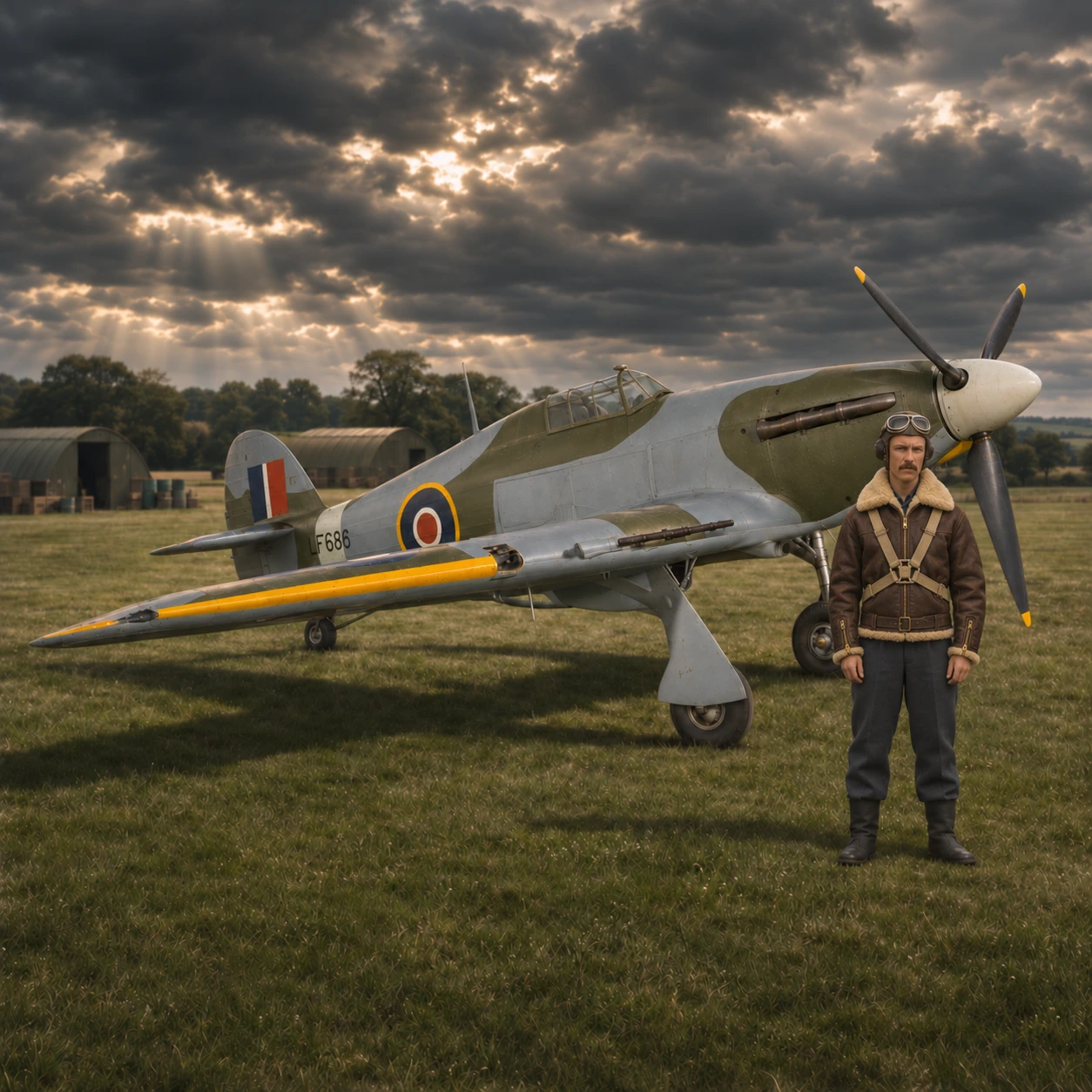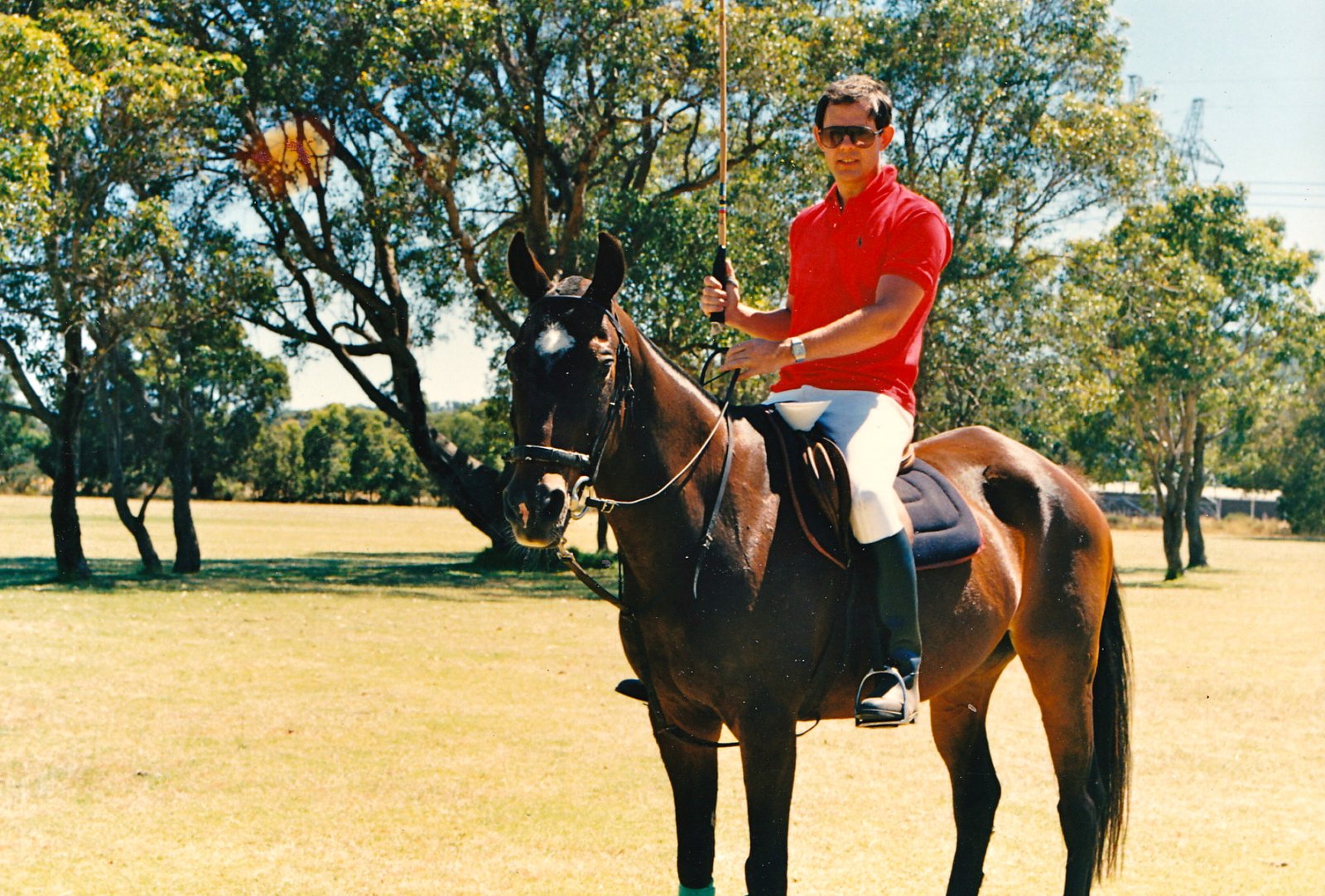
My uncle Norman Clarke managed Home Farm on the Calke Estate, near the Leicestershire border. During the school holidays I’d play around the outbuildings at Calke Abbey, now in the care of the National Trust. I could spend hours in the old carriage rooms. Even then, I remember looking around and thinking I’d like to live that way one day.
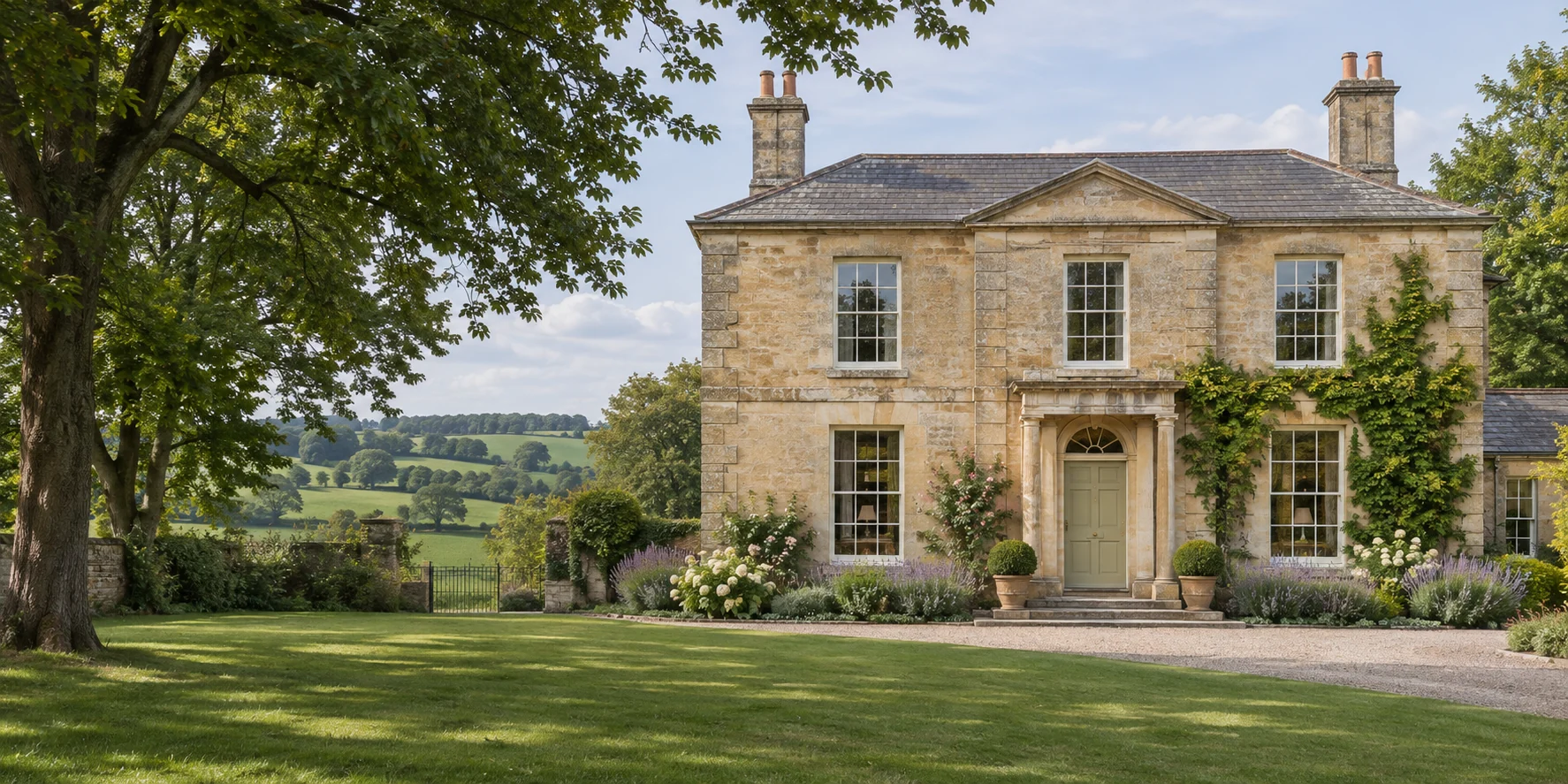
I liked the countryside and knew what it meant to work on a farm. I’d driven tractors and spent weeks in a shed shovelling potatoes. What I wanted, though, was to be lord of the manor. I didn’t need a house the size of Calke Abbey. A handsome old manor house in the English countryside, with the lordship to go with it, would do me very nicely.
A plan to come back
One reason I went to Australia in 1972 was that I couldn’t see how I was going to get anywhere in England. In Australia I could see ways to make a living and build something of my own. I had a plan in the back of my mind. I’d make enough money here, then go back to England and buy the house I’d been imagining since I was a boy.
To the Manor Born first went out on BBC One on 30 September 1979, seven years after I left England. By the time I saw it, I knew exactly what Richard DeVere saw in Grantleigh Manor. He’d made his money in the grocery business and bought himself a country estate. I loved the show. I wouldn’t willingly miss an episode.
I hadn’t been in Australia all that many years when I got my first Rolls-Royce. Then came my second. And then my third. I suppose I was a bit of a Richard DeVere myself in that regard. The Vehicle Register has all three: two Peacock Blue Silver Shadow Is and a Cardinal Red Mulliner Park Ward coupé.
What I loved about those cars was the workmanship. The wood was real, and the grain on one side of the car mirrored the grain on the other. Even the gaps around the doors caught my eye. They were the same width all the way round. On plenty of ordinary cars I’d seen, a gap might be wider at one end than the other. I liked that somebody had taken the trouble to get it right. Perhaps it made me a bit of a perfectionist. There’s a pleasure in seeing how well you can do something with what you’ve got.
Nearly fifty years later, I still catch myself looking at the gaps around car doors. On some of the Chinese electric cars I’ve seen recently, the fit around the doors and the tailgate is remarkably precise. These are cars built by the thousands. I remember when that sort of fit was one of the things that made a Rolls-Royce stand out.
One quiet day I was driving the Silver Shadow down St George’s Terrace in Perth. I pulled up at the lights, and a woman waiting to cross looked over, saw me in the Rolls and curtsied.
I’d never seen anything like it. I wondered if she thought Prince Charles was in town. Whoever she thought she was curtseying to, it was the same bloke who’d spent weeks shovelling potatoes. It cracked me up.
The manor was still in England, somewhere in my head.
Where I ended up
There were times when I could have gone back and had a proper go at it. I still think I could have lived quite happily in an English manor house. These days I’m more inclined to think about the roof, the heating and who was going to keep the place going. An old house and an estate would have been a job in themselves. I might even have enjoyed the job.
Every time I reached one of those crossroads, though, I could see more opportunity ahead of me in Australia or, later, in Southeast Asia. From a distance, England looked less and less like the place I’d wanted to return to. I used to be proud to call myself English. In time I came to call myself Australian. Australia was where I’d had the chance to build the life I wanted, and I’m glad I stayed.
In the past ten years I’ve spent so much time in Thailand that I’ve put down roots here. I sometimes look at Australia now and see some of the changes that made England feel less like home to me. There’s still a great deal of my life in Australia. But these days, when I say I’m going home, I mean Thailand.