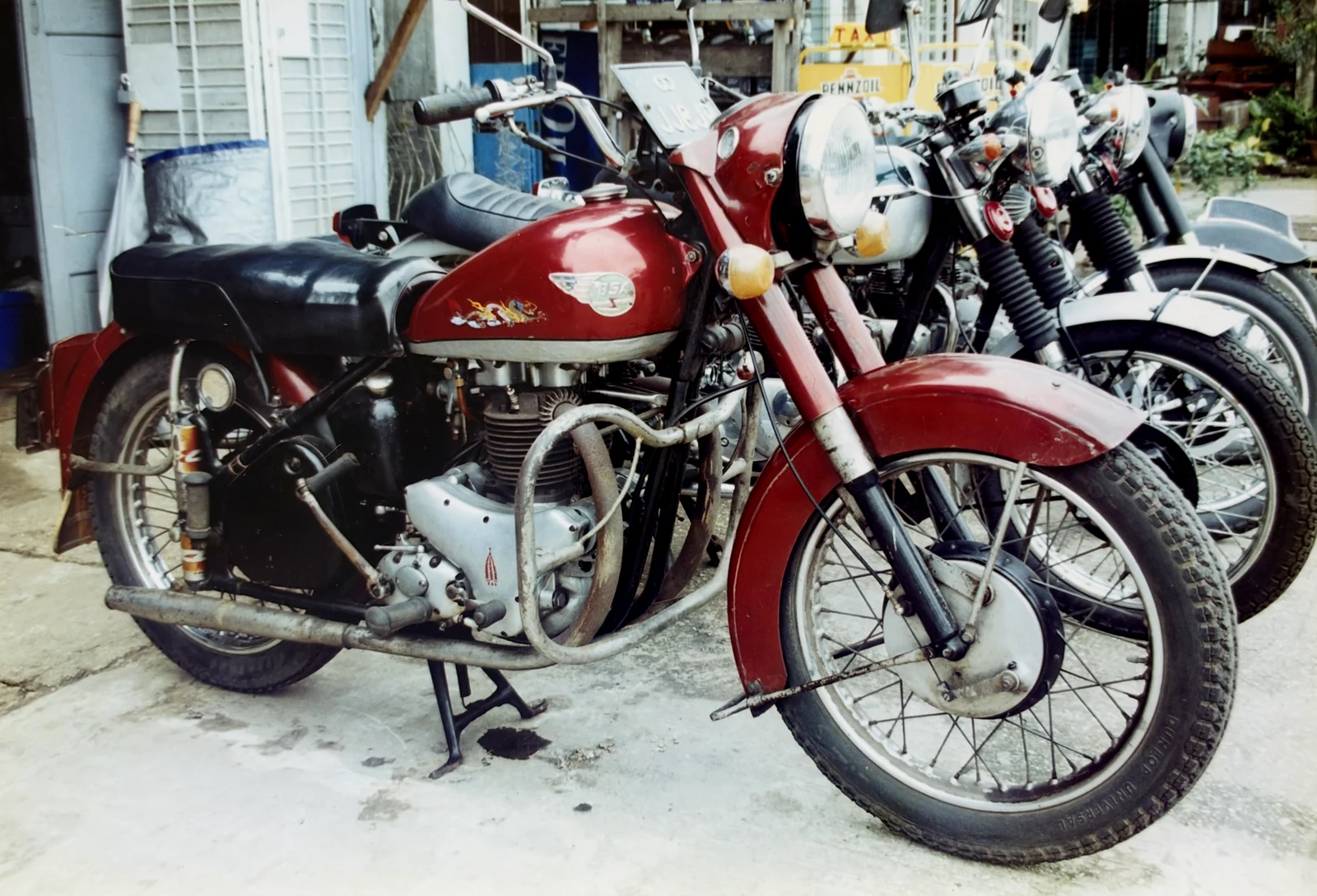
On my trip to Burma in 2000, I came across a motorcycle shop in Rangoon. I’d owned British bikes in England, so a row of them for sale on the other side of the world was enough to stop me.
The shop sold restored British bikes: BSAs, Triumphs and Nortons. These were original machines, rebuilt with such care that they looked almost new. I spent ages admiring the craftsmanship, finish and attention to detail.
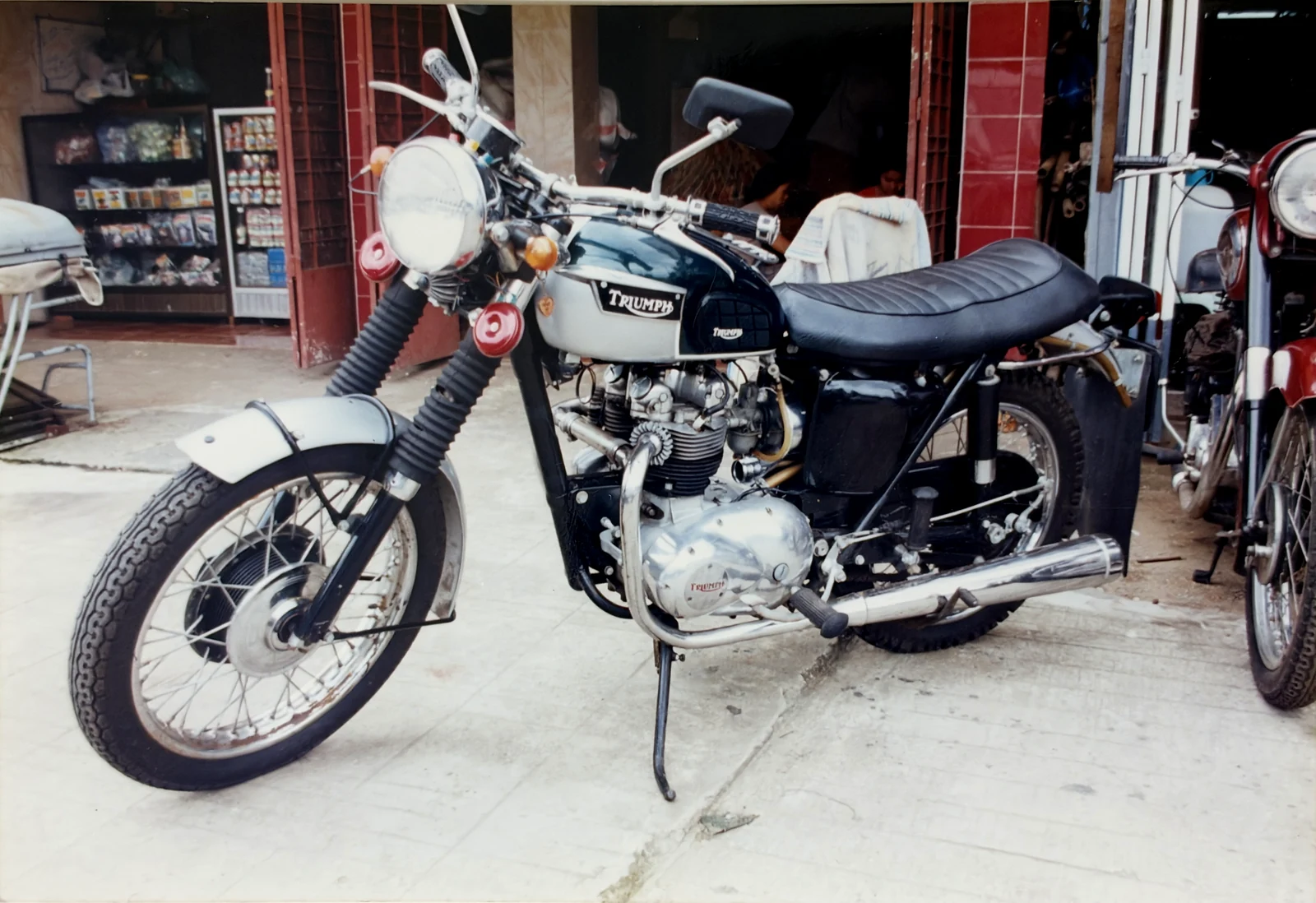
There were beautifully restored Royal Enfields too. As I looked them over, the man in the shop explained, through Nene's brother, that they were not all vintage machines. Some were much more recent.
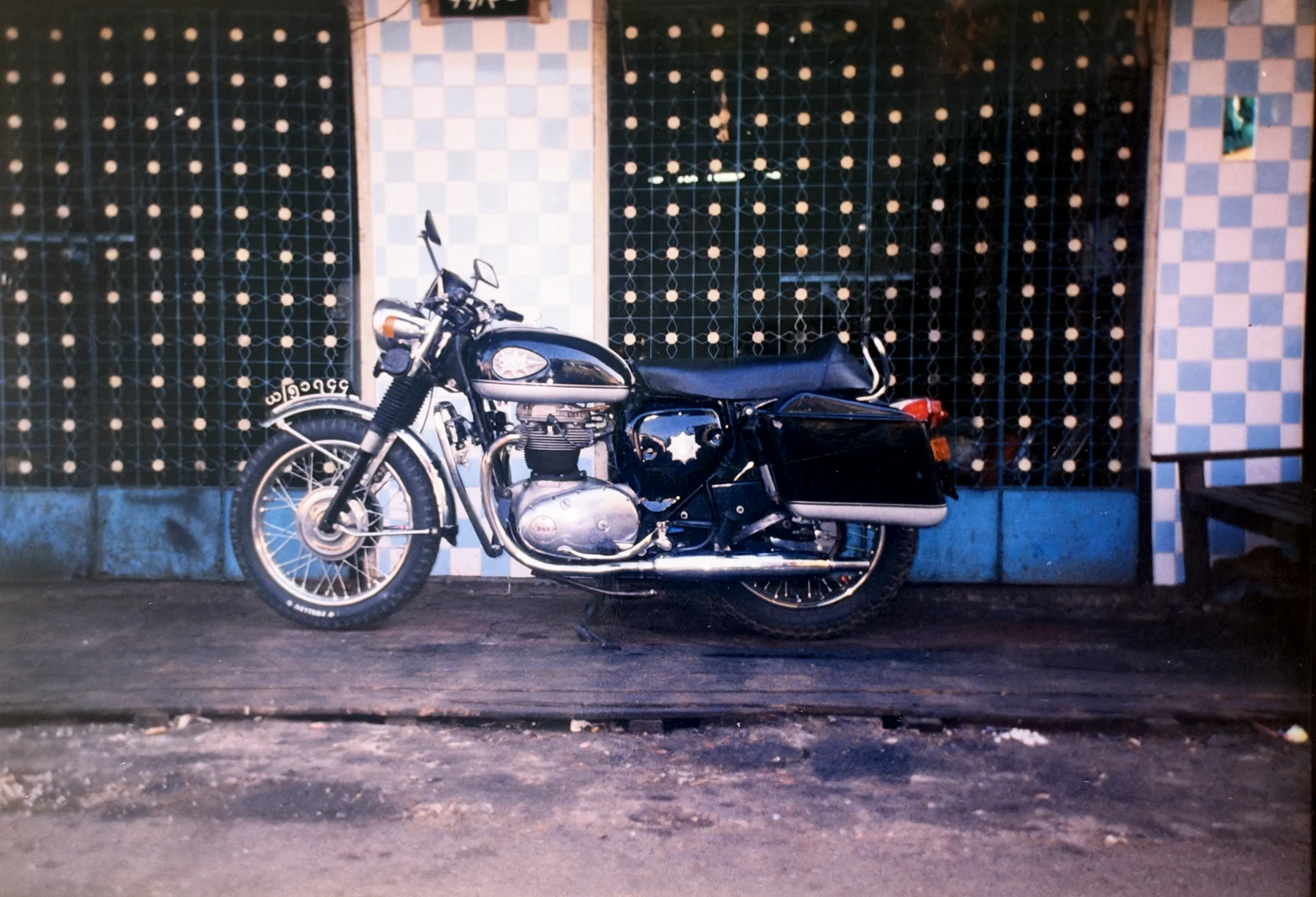
I had no idea Royal Enfields were still being made.
They were, he explained, in India. What I had thought of as a piece of Britain's motorcycling past was still coming out of a factory as a new motorcycle.
The connection went back to 1955, when Royal Enfield partnered with Madras Motors to form Enfield India. Licensed Bullet production began there in 1956, initially using kits from England, with more of the manufacturing gradually moving to India. The Indian operation carried on long after British production ended.
The conversation also brought up the Hindustan Ambassador, the familiar Indian taxi. That was another British design with a remarkably long second career: it was based on the Morris Oxford Series III, with the old design continuing in Indian production as the Ambassador.
The rounded bodywork and 1950s origins hardly suggested the last word in modern safety. Still, one must be fair. It had brakes.
I had gone into the shop to admire restored classics and discovered that some classics had never stopped being made.
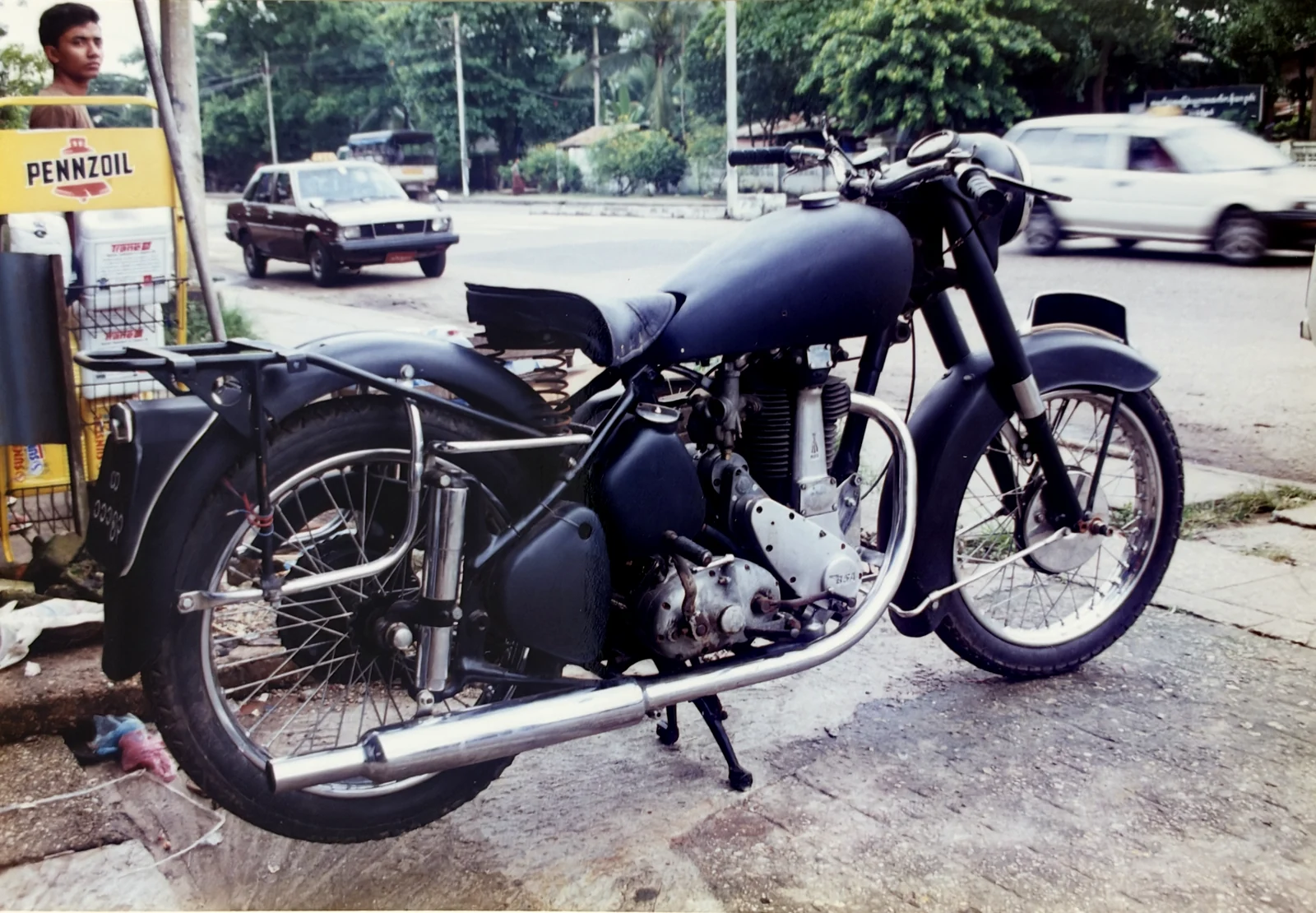
A container load?
Then I looked at the prices, and the businessman in me began calculating.
How could I get these bikes to Australia? A container full of restored British motorcycles suddenly seemed an excellent idea. I could already imagine the buyers.
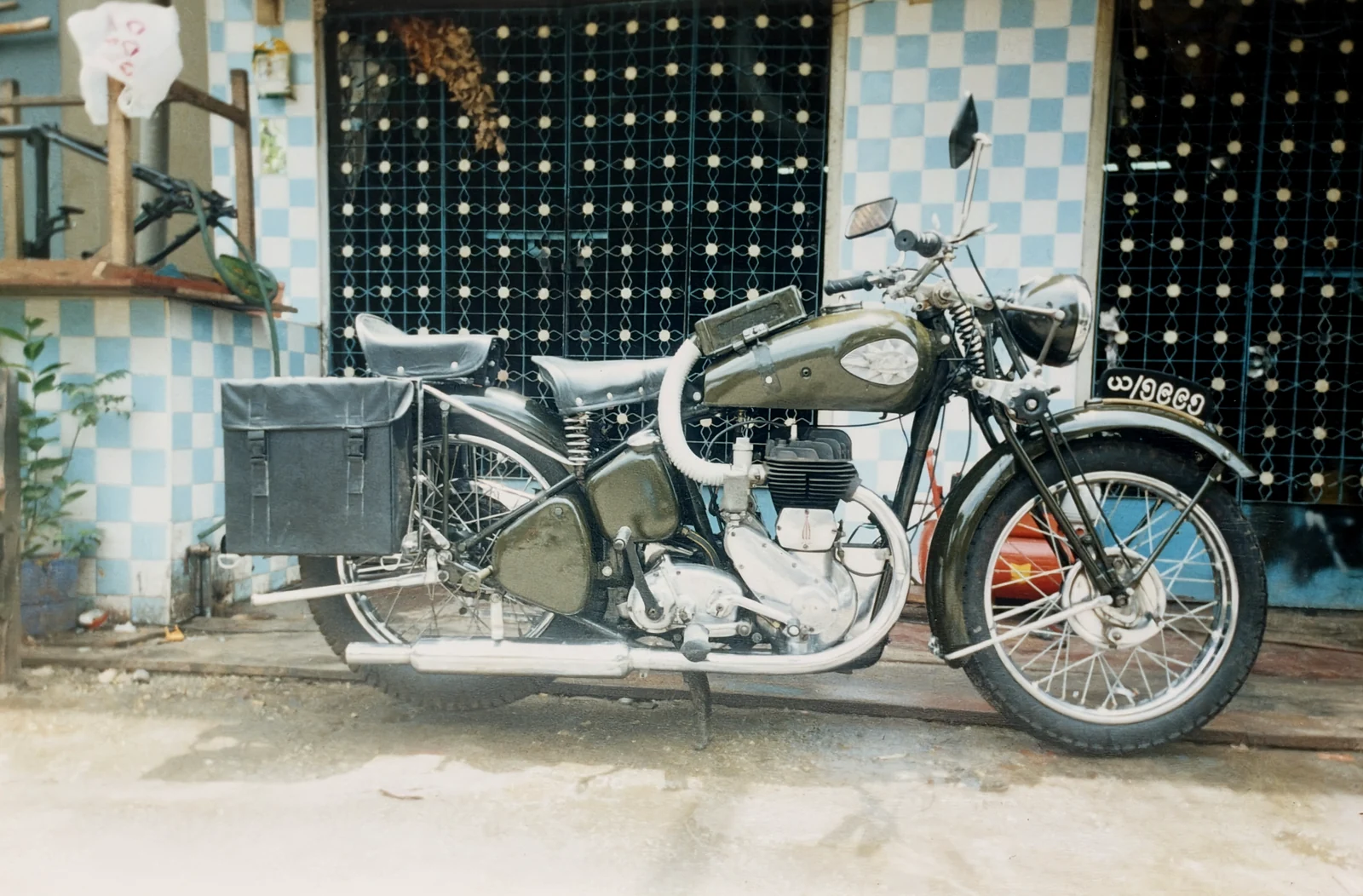
I took photographs, collected the owner's card and address, and then did nothing further about it. There might have been an opportunity, but I never tested it. What I did find was a workshop full of skill and patience, producing motorcycles I would have been delighted to own.
Manufacturing history: Royal Enfield’s own timeline and the British Motor Museum’s Morris history.
The rest of that trip is in From Watermill to Burma and Shopping Bags Full of Money.